December 02, 2025 • Makkal Adhikaram

A K Sivamalar, managing director of Kancheepuram Central Co-operative Bank, said that the audit officers of the bank were the main reason for the corruption. Varalakshmi is a former assistant manager.
He has also sent a letter to Managing Director Sivamalar in this regard. The above letter has also been given to our Makkal adhikaram .
I mean, who’s in a bank? If you make a mistake, the manager of the bank is responsible for it. Similarly, in the Kancheepuram Central Co-operative Bank, the managing director of the entire management is Sivamalar, who is responsible for this.
At present, there is a corruption scam in the purchase of furniture worth more than Rs 12 crore in the Kancheepuram Central Co-operative Bank.Audit Department Manager Ezhumalai, who has not studied auditing, has done the work of adjusting this account.

Experienced auditors who can analyse all these things accurately should examine the accounts of the Central Co-operative Bank, Kancheepuram. Only then will the systematic corruption come out of it.
Moreover,Audit Department Manager Pawan Kumar is now an auditor without reading the Saturday account and if he is appointed as the auditor in a place where crores of business is being done, then corruption in the bank will increase.
Apart from this, there are reports that Audit Department Manager Pawan Kumar has been involved in a corruption of more than Rs 12 crore. However, it has been reported that the managing director of the film Sivamalar is trying to cover it up by showing it on a small scale.
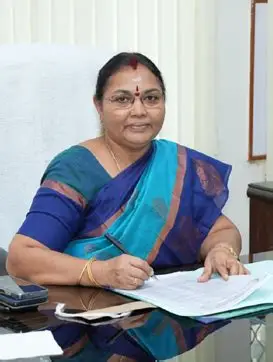
He has lodged a complaint with the Kancheepuram district superintendent’s office. Everything is a superficial drama run by Managing Director Siva Malar at the Kancheepuram Central Co-operative Bank.
The Director and the Registrar of the Co-operative Department have not taken any action so far, despite the fact that the news about him has come out in the newspapers with truthfulness. If this administration continues like this, it is a prime example of the corruption management of the Kancheepuram Central Cooperative Bank that the top officials are doing the job of recognizing the corruption in the cooperative sector, the co-operatives said.
Also, if the auditors who can look at the accounts of a bank can properly examine the accounts, who has done so much corruption in what place? It will come out in the open light. But the obvious fact is that the Managing Director Sivamalar is running a corrupt administration in the Kancheepuram Central Cooperative Bank with these people who have not studied auditing.
Readers, please click to view the download file.
Furthermore, the main reason corruption continues in this bank is that proper auditing professionals are not appointed, making it impossible to expose the corruption. Instead, they are conducting audits using the bank’s own officials. This is a major mistake. Additionally, Krishnakumar, who is serving as the internal auditor of this bank, is hiding key fraudulent accounts and presenting them to senior officials in a way that masks the corruption; this is the work he is doing in the bank.
Therefore, the bank must appoint qualified auditing professionals. Without changing this system, it is impossible to correct the management of corruption in Kanchipuram Central Cooperative Bank. Furthermore, without replacing A.K. Siva Malar, who is serving as the managing director of Kanchipuram Central Cooperative Bank, the bank’s management cannot be corrected.
If that is the case, then the Managing Director Sivamalar should also be held responsible for this corruption.
The former assistant manager of the bank, G. Varalakshmi and his associates said that if the allegations of corruption are to be concealed, the CBI should investigate the bank and bring the matter to light.

Moreover, the corrupt management in the bank cannot be fixed without the removal of such auditors. Moreover, if these auditors appoint direct auditors under the control of the central government in every head office of central cooperative bank, it is certain that corruption can be put to an end in the cooperative sector.
So, does the Registrar of Co-operatives understand these facts even now?